Dropshipping marketing can be tricky, especially when you’re competing with so many others selling similar products. We faced the same challenge—getting traffic without spending a fortune on ads, only to see little return.
After a lot of trial and error, we found strategies that worked. Partnering with micro-influencers, for example, helped us increase sales and build brand visibility. In this guide, I’ll share 20 dropshipping marketing strategies like this one that helped us overcome these challenges and grow our sales.
Key Takeaways
Choose the right platform to reach your target audience. Facebook’s advanced targeting options allow you to focus on specific interests and behaviors.
Use Sell The Trend’s Facebook Audience Builder to target the perfect social audience, increasing your ad effectiveness.
Create ads that feature clear, bright images and simple text that highlights the benefits of your product.
Retarget visitors with product reminders and abandoned cart ads to bring them back and boost conversions.
Leverage Sell The Trend’s automatically generated video ads to save time and create professional, engaging ads.
A digital marketing strategy is a plan for promoting your business online. It outlines the steps you’ll take to reach your target audience using digital channels like social media, search engines, email, and websites. The goal is to attract potential customers, engage them, and turn them into buyers.
One thing to keep in mind with a digital marketing strategy is that it’s not set in stone. The digital world changes fast, so your strategy needs to be flexible. Regularly review your results and adjust your approach based on what’s working and what’s not.
10 Digital Marketing Strategies For Your Dropshipping Business
Your products won’t sell themselves, and with so many competitors out there, you need smart, effective methods to reach your customers.
Follow these steps to start seeing real growth.
1. Use Social Media Advertising
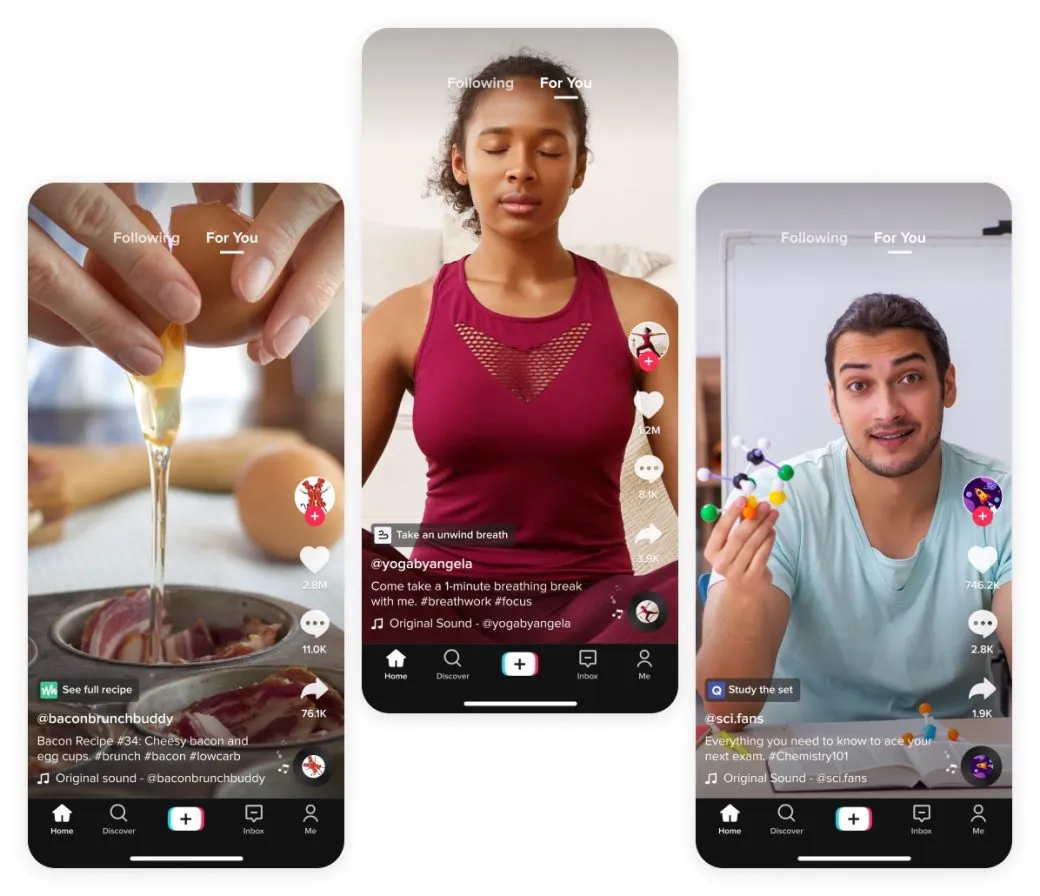
Social media advertising is a game-changer for dropshipping. Platforms like Facebook, Instagram, and TikTok let you reach the right people through precise targeting. The beauty of these platforms is that you can start with a small budget, test what works, and scale up once you see results.
Let’s dive into how you can effectively leverage social media advertising for your dropshipping business.
Pick The Right Platform
Your first step is choosing the platform that aligns with your audience. Here’s how to decide:
Facebook: It’s perfect if your audience is broad and includes various age groups. Facebook’s advanced targeting options allow you to narrow down your audience based on specific interests and behaviors
No title
Pro Tip: Use Sell The Trend’s Facebook Audience Builder to build the perfect social audience. This tool helps you precisely target your ideal customers based on their interests, behaviors, and demographics, ensuring your ads reach the right people and maximize your chances of success.
Instagram: If you’re selling beauty, fashion, or lifestyle products, Instagram is ideal because it’s visual and caters to a younger audience.
TikTok: Trending or fun products do well on TikTok, which caters to a younger crowd that loves short, engaging videos. No matter which platform you choose, you can run ads and monitor their performance in real time using the best tool for tracking ads, helping you optimize campaigns and boost your ROI
No title
Pro Tip: Use Sell The Trend’s Nexus feature to find trending products and the platforms where they are most popular. This gives you a head start by showing you which items are hot in your niche, and helping you choose the right products to promote through your social media ads.
Create Eye-Catching Ads
Once you’ve chosen your platform, your next step is to create ads that grab attention. Here’s how you can make your ads stand out:
Use images that are clear, and bright, and showcase your product in the best light. If you’re running a video ad, keep it short and to the point—10 to 30 seconds is ideal. To hit that sweet spot, a Renderforest AI video maker can streamline the process, turning your concepts into high-impact, professional ads in minutes.
Focus on how your product solves a problem or improves the buyer’s life. For example, if you sell fitness gear, show how your product can make workouts more efficient or enjoyable.
Your text should complement the visuals, not overwhelm them. Use short, catchy lines that highlight the product’s main selling points.
No title
Pro Tip: Use Sell The Trend’sautomatically generated video ad feature to create professional ads that showcase your products. These auto-generated ads save time and ensure your products are presented in a visually appealing way, helping you drive more engagement and sales effortlessly.
Set A Budget And Test Your Ads
When you’re new to social media ads, it’s smart to start small. Here’s how:
Set a small daily budget, like $5 to $10, and run multiple ads to see which performs best. Most platforms, like Facebook Ads Manager, allow you to run several ads in one campaign, so you can test different images, headlines, and ad formats.
After a few days, check the performance of your ads. Are people clicking on them? Are they converting into sales? Platforms like Facebook and Instagram provide metrics like Click-Through Rate (CTR) and Cost Per Conversion. If one ad is performing better than others, allocate more of your budget to it.
2. Use Customer Reviews & Social Proof
When potential buyers see positive feedback from others, they’re more likely to trust your product and make a purchase. Brands can leverage social listening to identify which customer pain points resonate most in reviews and address them proactively in future campaigns.
Reviews act as social proof—they show people that your products are not only real but also valuable to others. Here’s how to use reviews effectively.
How To Collect Customer Reviews
Start by making it simple for customers to leave reviews after they buy from your store.
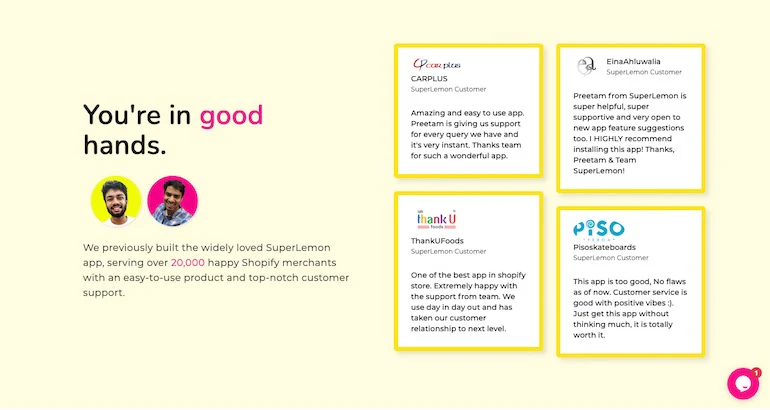
Viva Reviews, our review importer app, makes this easy. By integrating it with Shopify or other platforms, you can automatically pull in reviews from trusted sources. This keeps your store filled with fresh, real feedback. Here are other ways:
Automate review requests: Use tools like Loox, Yotpo, or Judge.me to automatically send review requests a few days after a customer receives their product. These apps can even include an option for customers to upload photos of the product.
Offer incentives: Encourage customers to leave a review by offering a small discount or bonus on their next purchase. For example, “Leave a review and get 10% off your next order!”. You can also offer everyday useful items like pens, and take it a step further with options like customized socks to make the reward more memorable. This little incentive can increase your review rate significantly.
Show Reviews On Product Pages
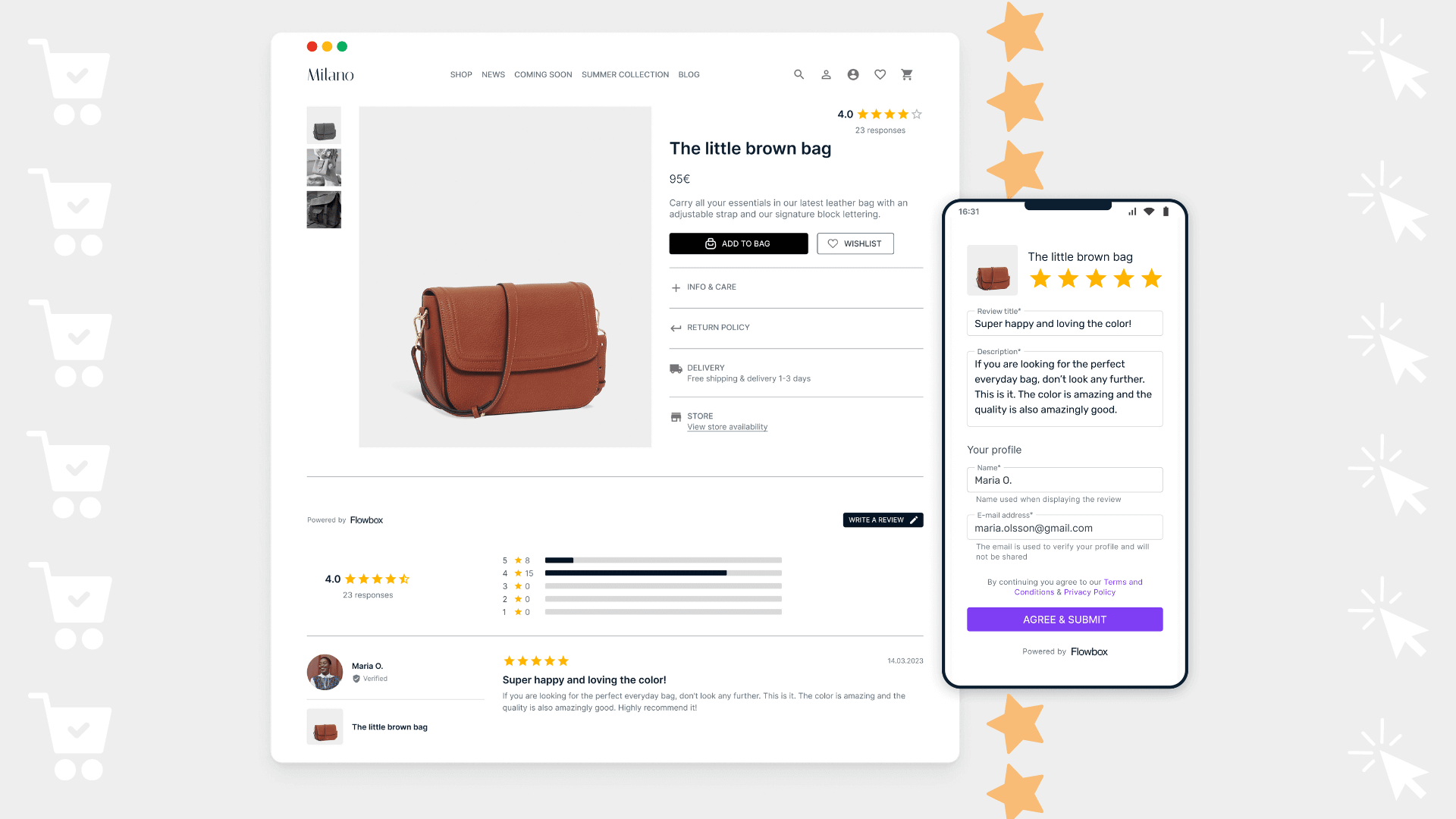
Displaying customer reviews on your product pages can significantly boost conversions. Here’s how to set them up for maximum impact:
Use a review widget: Install a review app that automatically pulls reviews onto your product pages. Loox and Judge.me are great tools for displaying reviews, especially ones with customer images.
Highlight key features: Make sure your review section includes details like overall ratings, specific pros, and feedback about the product’s performance. For example, if you’re selling a fitness tracker, you might want customers to comment on its battery life, ease of use, or accuracy.
Include visuals: Reviews with customer photos work wonders because they show your product in real life. Encourage customers to upload pictures by offering incentives or simply including an easy option to attach images when they submit their reviews. You can also remove background from these photos to make the product stand out and create cleaner, more professional visuals.
3. Offer Exceptional Customer Service
Even if you have the best products and marketing strategies, poor customer service can lead to negative reviews, high return rates, and lost sales. On the other hand, exceptional customer service helps build trust, increase customer retention, and encourage word-of-mouth marketing.
I’ll show you exactly how to offer top-notch customer service, even if you don’t have a large team.
How To Provide Fast, Clear Communication
Quick responses are essential in customer service. Customers don’t want to wait days to hear back about their order or questions. Here’s how to set up fast communication:
Install a chat feature: Adding live chat to your website allows customers to get instant answers. Tools like Tidioor Zendesk Chat are easy to set up and provide a direct line to your customer service team (or yourself, if you’re a solo operator).
Set up an FAQ section: Many common questions can be answered without a human interaction. For example, you can answer questions about shipping times, returns, or product details in a well-organized FAQ section on your website. Use an FAQ plugin like Helpie or Heroic FAQs for easy setup.
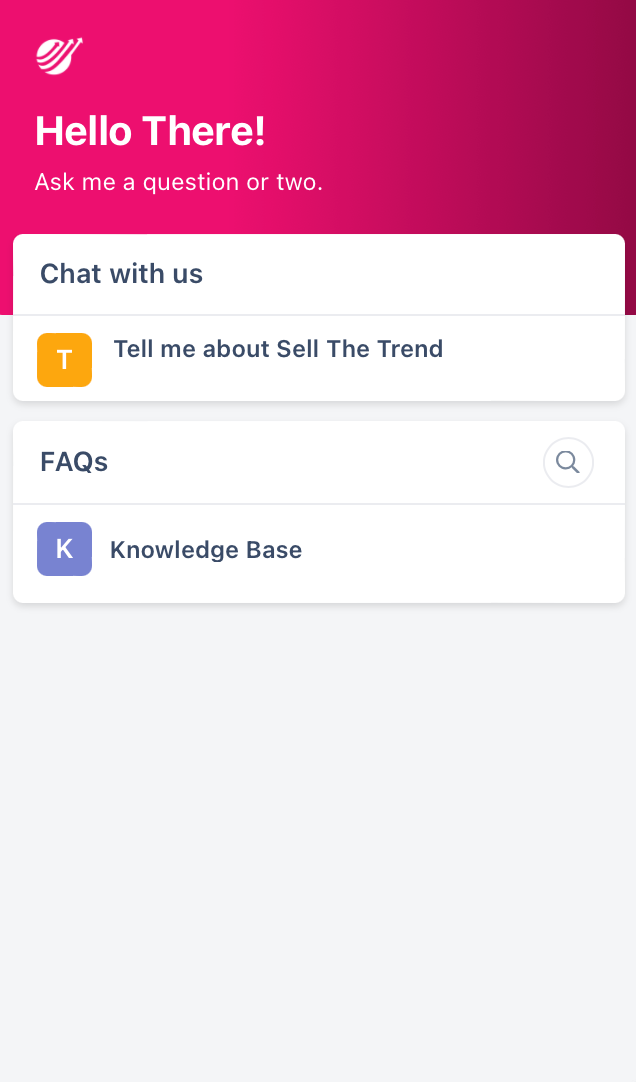
Here’s a look at our chatbot interface. Quick responses are essential in customer service, and adding a live chat feature ensures that your customers can get instant answers.
As you can see, this chatbot provides options like “Tell me about Sell The Trend” and access to the Knowledge Base, which offers solutions without human interaction.
How to Manage Orders and Shipping Issues
Since you rely on third-party dropshipping suppliers, issues like late shipments or product defects can happen. Here’s how you can handle these situations to keep customers happy:
Always keep your customers informed. When a delay occurs, reach out before the customer has to ask. Let them know what’s happening and how you’re resolving the issue.
Use tools like AfterShip or Tracktor to provide real-time order tracking. Customers can check the status of their shipment at any time, which reduces their need to contact you for updates.
If a product arrives damaged or doesn’t meet expectations, don’t hesitate to offer a replacement or refund. While it may cost you in the short term, this builds trust and shows you stand behind your products.
How To Handle Returns And Refunds Gracefully
Returns and refunds are inevitable, but how you handle them defines your customer’s experience. Here’s how to do it right:
Make sure your return policy is easy to find on your website. Clearly outline the steps for returning a product and any conditions, such as time limits or product condition requirements.
Simplify the return process by providing return labels and instructions. You can even use services like Returnly to automate returns, allowing customers to initiate and track their returns easily.
Sometimes, customers want a refund instead of a replacement. Process refunds quickly to show customers you value their satisfaction. A happy customer who receives a quick refund may return to shop again in the future.
4. Partner With Micro-Influencers
You don’t need a massive budget to partner with micro-influencers, which makes this strategy perfect for dropshipping businesses that are just starting out. Micro-influencers (those with 1,000 to 100,000 followers) have smaller but highly engaged audiences that trust their opinions.
This trust can translate into conversions for your products.
How To Find the Right Micro-Influencers
Finding the right influencers for your brand is the first step. Here’s how to do it:
Start by searching directly on Instagram, TikTok, or YouTube. Use relevant hashtags to find influencers in your niche. For example, if you’re selling eco-friendly products, search hashtags like #sustainableliving or #ecofriendly.
It’s not just about follower count—engagement matters more. Micro-influencers with high engagement rates (likes, comments, shares) are more effective at driving sales.
Look for influencers with an engagement rate of at least 4-6%. You can calculate this by dividing the average number of likes and comments on their posts by their total number of followers.
Here’s how to check engagement:
Go to an influencer’s Instagram profile.
Click on their recent posts, and note the number of likes and comments.
Use a free online engagement rate calculator (just Google “Instagram engagement rate calculator”) or do the math manually.
No title
Pro Tip: Use Sell The Trend’sInfluencer Engagement feature to measure an influencer’s performance and ROI, ensuring you partner with the right influencers to drive sales and grow your business.
5. Build an Email List
Building an email list is one of the most valuable assets for your dropshipping store. Think of it as your direct line to your customers.
While social media platforms can change their algorithms, having an email list means you always have a way to reach potential buyers. Let me walk you through how to build and use an email list to boost your sales.
Start With A Lead Magnet
First, you need to give people a reason to join your email list. That’s where a lead magnet comes in—a freebie or incentive in exchange for their email.
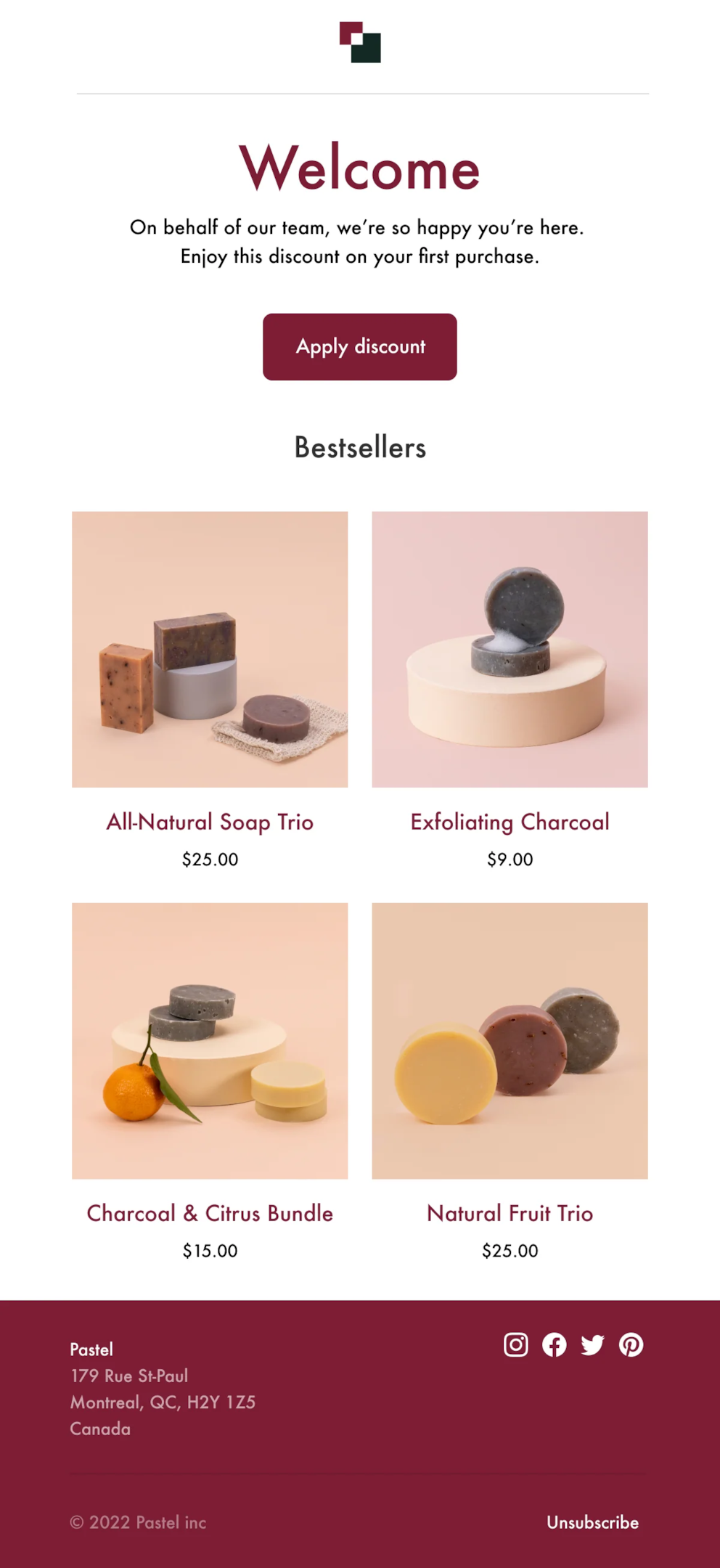
One of the simplest lead magnets is a discount code for first-time buyers. For example, “Get 10% off your first purchase when you sign up!” You can also offer free shipping as an incentive.
Running a contest where people enter by signing up with their email is a fun way to collect emails fast. “Sign up for a chance to win a free beauty kit!” works wonders, especially in visually appealing niches like beauty or fashion.
What To Send to Your List
Now that you’ve built a list, what do you send them? Consistency is key. You don’t want to bombard people with emails, but you also don’t want them to forget about you.
Welcome emails: After someone signs up, send an automated welcome email thanking them for joining. This is where you include the discount code or offer they signed up for. It’s also a great place to introduce your brand and showcase best-selling products.
Regular newsletters: Keep your subscribers engaged by sending newsletters every week or two. Share new products, special offers, or tips related to your niche. This consistent communication also supports your retention marketing efforts by keeping existing customers informed, engaged, and coming back to buy again. If you’re in the fitness niche, for instance, you could send workout tips or healthy recipes in addition to product promotions.
Segment Your List
Not all customers are the same, so don’t treat them like they are. Segment your email list based on behavior. For example:
New subscribers: Send them a welcome series to introduce them to your products.
Customers who haven’t purchased: Nudge them with exclusive offers or product recommendations.
Repeat buyers: Reward them with VIP discounts or early access to new collections.
6. Use Retargeting Ads To Win Back Shoppers
Did you know that most people won’t buy from your store the first time they visit? In fact, statistics show that around 98% of visitors leave without making a purchase.
That’s where retargeting ads come in. Retargeting ads help you reconnect with those visitors and bring them back to your store to complete their purchase.
This strategy is a goldmine for dropshipping businesses.
What Are Retargeting Ads?
Retargeting ads are ads shown to people who have already visited your website or interacted with your brand. These ads remind them about your products and encourage them to take action, whether it’s making a purchase or returning to browse more items.
How To Set Up Retargeting Ads
The first step is to install a pixel on your website. The Facebook Pixel or Google Tag Manager is your best bet, as they track user behavior on your website and allow you to create customized retargeting campaigns.
Here’s how to do it:
Go to your Facebook Business Manager or Google Ads dashboard.
In the settings, find the Pixel Setup option.
Copy the Pixel code and paste it into your website’s header (if you use Shopify, this is super easy—you can find it under Online Store > Themes > Actions > Edit Code).
Once you have the pixel in place, you can start creating ads that target anyone who visited your website but didn’t convert.
Types Of Retargeting Ads
Product reminders: Show ads featuring the exact products visitors viewed but didn’t buy. Include a compelling call to action like, “Still thinking about it? Get 10% off your purchase today.”
Abandoned cart ads: Target customers who added items to their cart but didn’t complete the purchase. These ads often have a high conversion rate because the shopper is already close to making a decision.
7. Create Compelling Content on Social Media
Content marketing is all about engaging with your audience by sharing valuable information or entertainment.
Social media is one of the best places to create compelling content that drives traffic and builds trust with potential customers.
If you do it right, this can lead to long-term relationships with customers.
What Types Of Content Work Best?
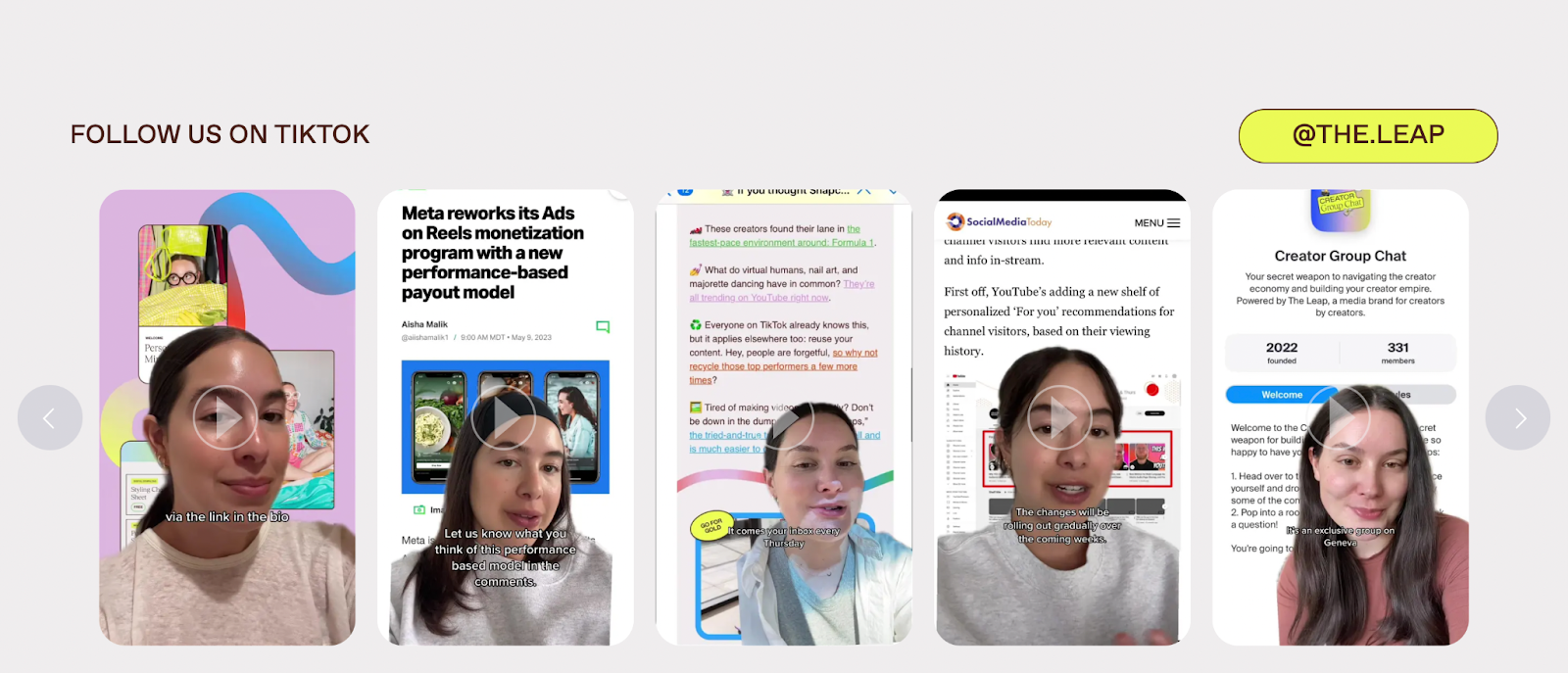
Product demonstrations: Show how your products work in real life. If you’re selling beauty tools, create a short video showing how to use them. TikTok and Instagram Reels are perfect for this kind of content.
Behind-the-scenes: People love seeing the human side of a brand. Share behind-the-scenes footage of how your products are made, packed, or even stories about your team.
Customer testimonials: Share video reviews or quotes from happy customers. This type of social proof works wonders for gaining trust and convincing new shoppers.
How To Create Compelling Social Media Posts:
Know your audience: Tailor your content to the type of customer you want to attract. For example, if your products are eco-friendly, focus on sustainability in your content.
Keep it visual: Social media is a visual space, so make sure your images and videos are high-quality. Use tools like Canva or InShot to easily create professional-looking content.
Add a call to action: Every post should have a purpose. Whether it’s asking people to visit your store, sign up for your email list, or engage with your post, make sure you’re guiding them toward an action.
8. Run Limited-Time Offers and Flash Sales
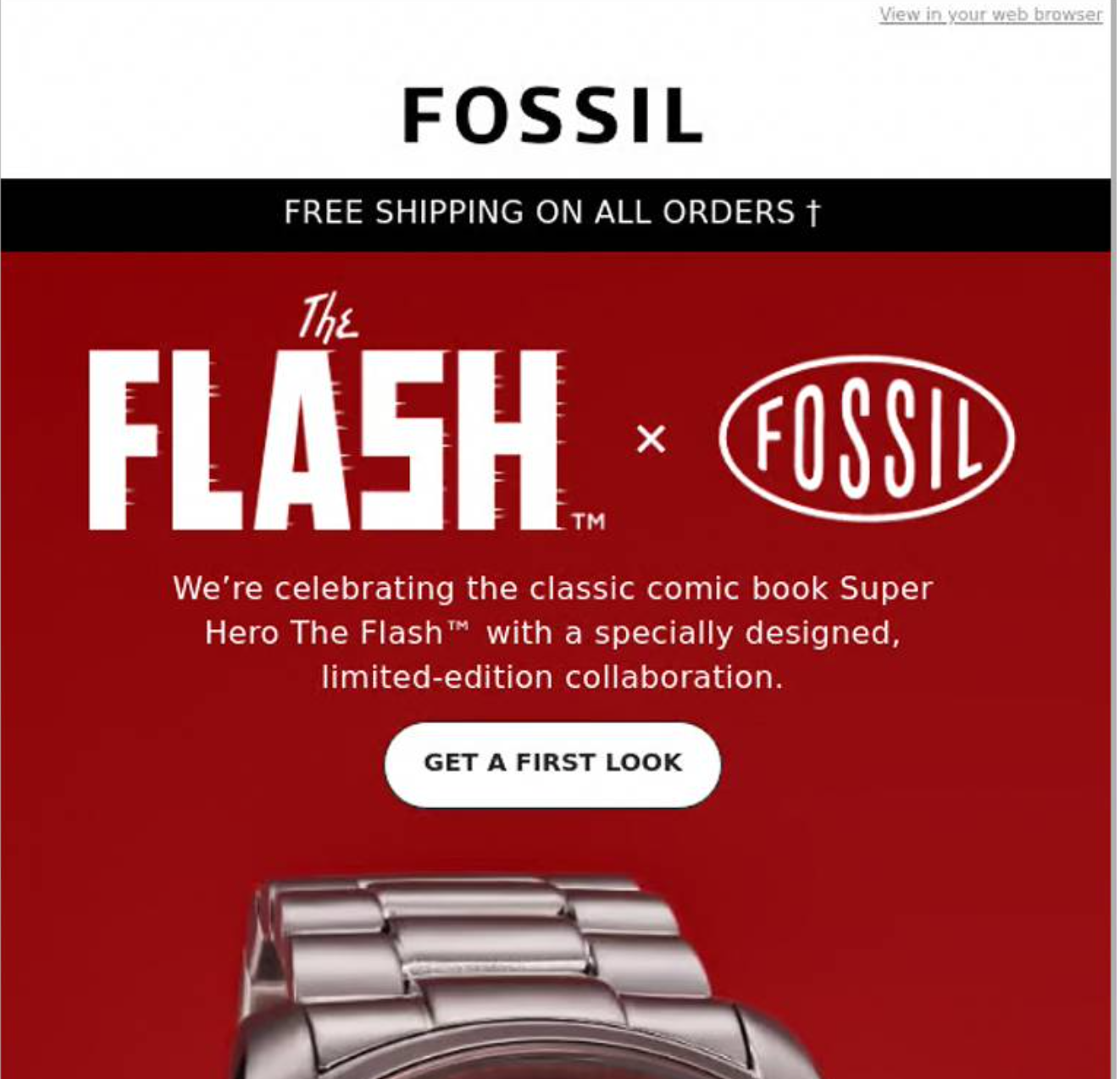
Creating a sense of urgency is one of the most effective ways to drive sales. Limited-time offers and flash sales push customers to act quickly, increasing your conversion rates. If they know the deal won’t last long, they’ll be more inclined to make a purchase.
How To Set Up A Flash Sale
Pick your products: Choose a few bestsellers or trending items for your flash sale. You can use a tool like Sell The Trend to identify which products are currently in high demand and likely to perform well in a flash sale.
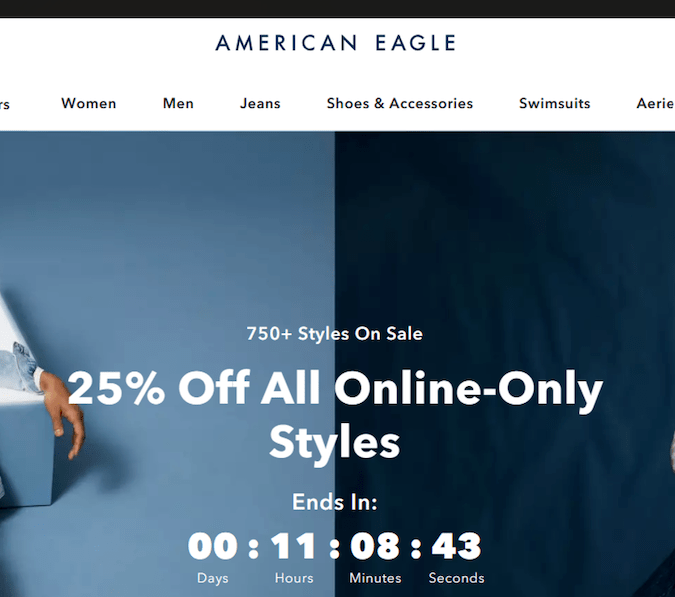
Set a time limit: The key to a flash sale is the short time frame. Typically, flash sales last anywhere from a few hours to 48 hours. Highlight this in your marketing with phrases like “Only 24 hours left!” or “Sale ends tonight at midnight!”
Promote the sale: Use email marketing, social media, and retargeting ads to let your audience know about the sale. You can even add a countdown timer to your website to create a sense of urgency.
Pro Tip: You can schedule flash sales in advance using Shopify’s discount features or apps like Bold Discounts. Set the parameters, choose your discounts, and let the app handle the rest.
9. Offer Free Shipping
Free shipping can be a game-changer for your dropshipping business. Studies show that many shoppers abandon their carts when they see high shipping fees.
By offering free shipping, you’re reducing friction and increasing the likelihood that customers will complete their purchase.
How To Offer Free Shipping Without Losing Money
Include shipping costs in product prices: You can slightly increase your product prices to cover the shipping costs. Customers often prefer seeing a higher product price with free shipping over lower product prices with added shipping fees.
Set minimum order thresholds: To encourage larger orders, offer free shipping on orders above a certain amount. For example, “Get free shipping on orders over $50.” This strategy also increases your average order value.
10. Optimize Your Website for SEO
Search Engine Optimization (SEO) is the key to driving organic traffic to your dropshipping store without paying for ads.
By optimizing your website for search engines, you increase the chances of your products being found by potential customers. SEO takes time, but it’s worth the effort because it creates a steady flow of visitors in the long term.
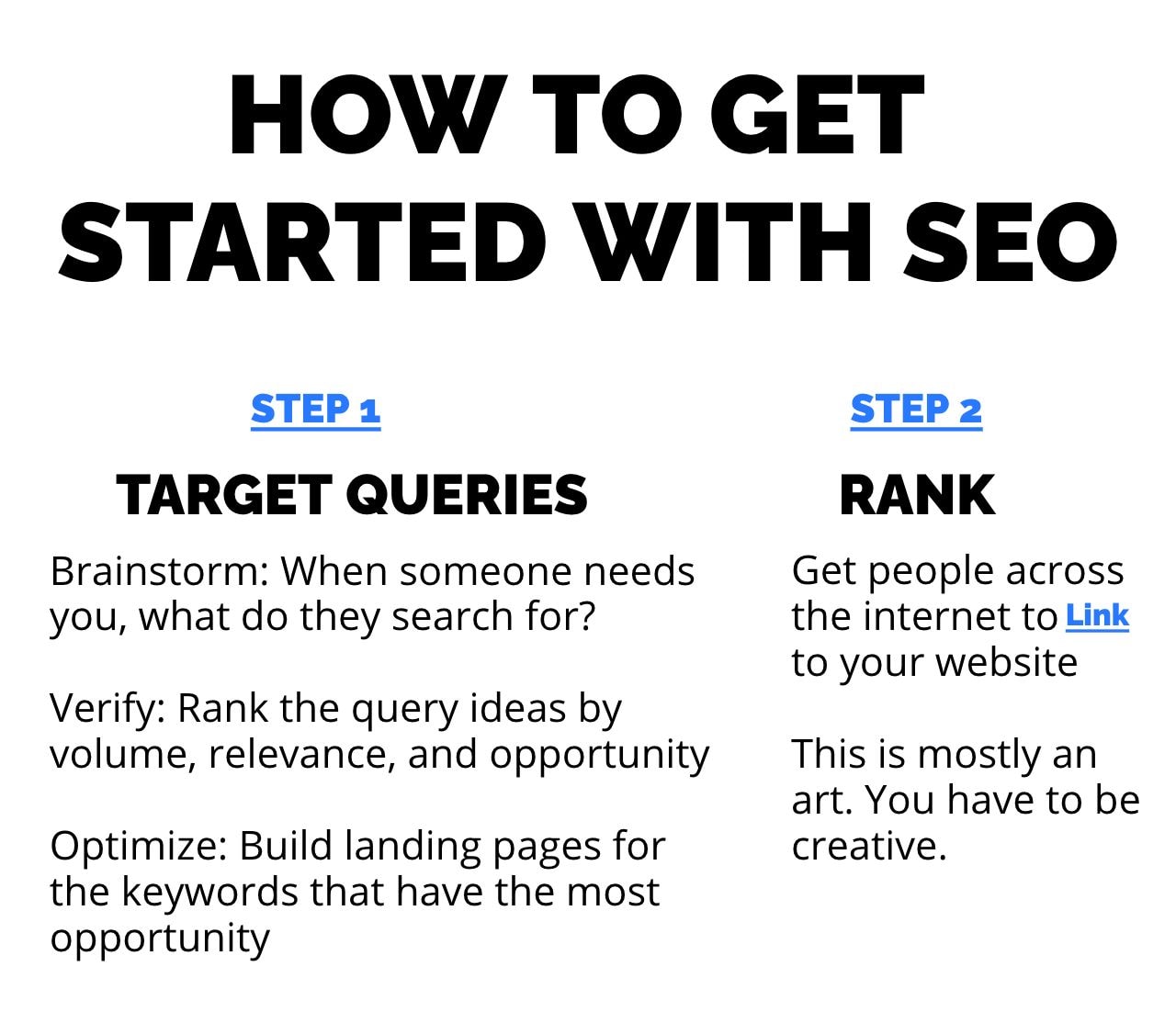
How To Get Started with SEO
To succeed with SEO, you need to make your website more visible to search engines like Google. Here are the steps to get started:
Do keyword research: Start by identifying keywords that your potential customers are using to search for products like yours. Tools like Google Keyword Planner, Ubersuggest, and Ahrefs can help you find keywords with decent search volume and lower competition.
Optimize your product pages: Once you have a list of keywords, use them to optimize your product titles, descriptions, and meta tags. Your titles should include the main keyword but still sound natural, like “Eco-Friendly Reusable Water Bottle – BPA Free.”
Write unique product descriptions: Don’t just copy the manufacturer’s description. Write your own, focusing on the benefits of your product while naturally including your target keywords. For example, if you’re selling fitness gear, talk about how it improves performance or makes workouts easier.
Dropshipping Marketing: FAQs
Here are some common questions about dropshipping marketing and how it can boost your successful dropshipping business.
1. What Is Dropshipping Marketing
Dropshipping marketing refers to the strategies you use to promote your products and drive traffic to your store. Since you don’t hold inventory in the dropshipping business model, effective marketing is crucial to getting your products in front of potential customers and driving customer purchases.
2. Which Marketing Is Best For Dropshipping?
There’s no one-size-fits-all answer, but a combination of strategies usually works best. For example, running targeted ad campaigns on platforms like Facebook or Instagram can drive traffic, while building a strong brand identity helps you stand out. You can also focus on creating long-term relationships through customer loyalty programs and optimizing your store for SEO.
3. Do You Need Marketing For Dropshipping?
Absolutely. Without marketing, even the best products won’t sell. You need a strong marketing plan to reach your audience, promote your products, and grow your ecommerce business. Whether it’s through ad campaigns, email marketing, or social media engagement, marketing is essential for any dropshipping business model.
4. How To Maximize Dropshipping?
To maximize your success, focus on working with reliable dropshipping suppliers and building a strong brand. Run effective ad campaigns to drive traffic, and use strategies like retargeting and upselling to increase customer purchases. Building customer loyalty through great service and follow-ups will help your successful dropshipping business thrive long-term.
Conclusion
Growing a dropshipping business comes down to smart marketing and strong customer connections. Use strategies like social media ads, micro-influencer partnerships, and SEO to drive traffic and boost sales. A reliable dropshipping supplier is key to keeping customers happy.
With the right steps, you can build a successful business that keeps growing over time. Keep testing, improving, and always focus on what your customers need.
Maria is a marketing specialist with hands-on experience in digital growth strategies and eCommerce.
As part of the Sell The Trend team, she has developed deep expertise in dropshipping through close work with product research, trend analysis, and go-to-market strategies used by successful online sellers.
Her content focuses on practical marketing insights, audience behavior, and data-driven decision-making to help merchants launch and scale with confidence.